





Machine Learning with Python Training
Machine Learning with Python Training is a comprehensive, hands-on program...
.svg)
Data Science with Python is a comprehensive training program designed to help learners master the skills required to collect, analyze, visualize, and interpret data using Python. The course covers the complete Data Science lifecycle, including data collection, data cleaning, expl...
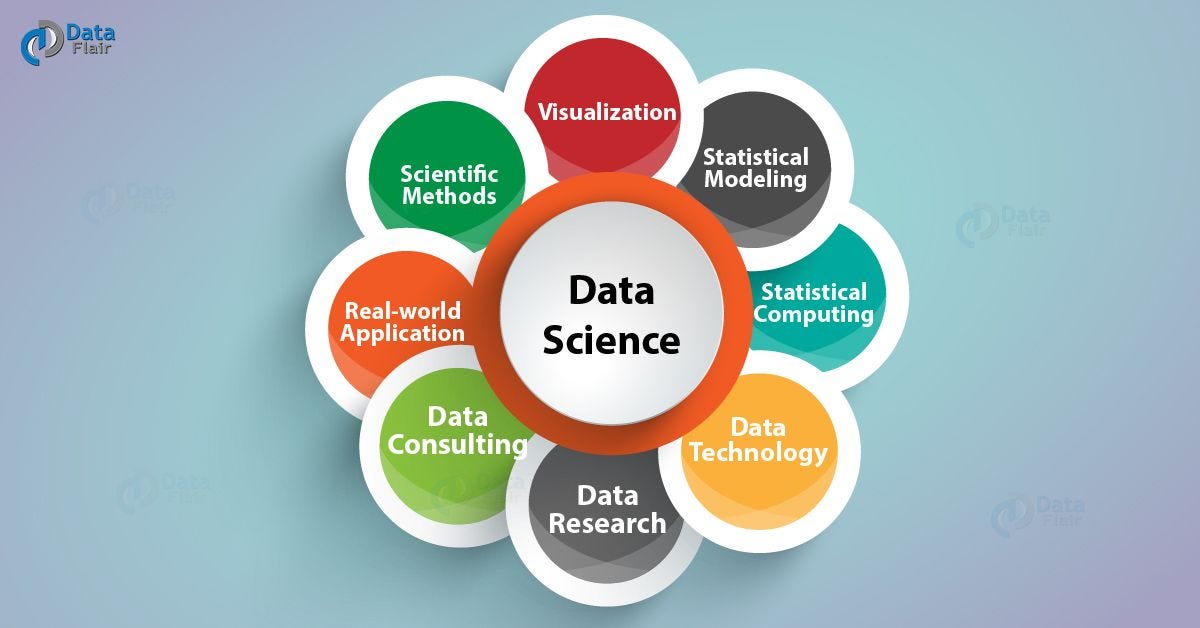
Data Science with Python is a comprehensive training program designed to help learners master the skills required to collect, analyze, visualize, and interpret data using Python. The course covers the complete Data Science lifecycle, including data collection, data cleaning, exploratory data analysis (EDA), statistical analysis, data visualization, machine learning fundamentals, and real-world business applications.
Through hands-on projects and practical exercises, learners will gain experience working with industry-standard Python libraries such as NumPy, Pandas, Matplotlib, Seaborn, and Scikit-learn. By the end of the course, participants will be able to transform raw data into actionable insights, build predictive models, and make data-driven business decisions, preparing them for careers in Data Science, Analytics, and Artificial Intelligence
Basic Computer Knowledge
Learners should be comfortable using computers, managing files, and working with software applications.
Basic Python Knowledge (Recommended)
A basic understanding of Python programming can be helpful, but many concepts are introduced from the ground up, making the course accessible to beginners.
Basic Mathematics and Statistics
Understanding concepts such as averages, percentages, probability, and basic statistics will help learners better understand data analysis and machine learning concepts.
Analytical Mindset
Curiosity, problem-solving skills, and an interest in working with data are valuable for success in Data Science
This module introduces the fundamentals of Data Science and explains how organizations use data to make informed business decisions.
Topics Covered:
Learn the core Python programming concepts required for Data Science.
Topics Covered:
Understand how to perform efficient numerical operations using NumPy.
Topics Covered:
Learn how to manipulate and analyze structured datasets using Pandas.
Topics Covered:
Create meaningful visual representations of data to uncover patterns and trends.
Topics Covered:
Learn techniques to understand datasets and discover valuable insights.
Topics Covered:
Build a strong statistical foundation required for data-driven decision-making.
Topics Covered:
Prepare raw data for advanced analytics and machine learning applications.
Topics Covered:
Understand how machines learn from data and make predictions.
Topics Covered:
Build predictive models using popular Machine Learning libraries.
Topics Covered:
Apply Data Science techniques to solve practical business challenges.
Topics Covered:
Implement a complete Data Science project from data collection to final insights and presentation.
Project Examples:
Individuals looking to start a career in Data Science, Analytics, Artificial Intelligence, or Machine Learning.
Professionals who want to enhance their analytical skills and move toward advanced Data Science roles.
Developers interested in working with data-driven applications and AI technologies.
Professionals who want to use data insights for strategic decision-making and business growth.
IT professionals, engineers, managers, and consultants looking to transition into Data Science and Analytics careers.
Individuals who want to leverage data to solve business challenges, conduct research, and drive innovation.
Data Science is the process of collecting, analyzing, and interpreting data to uncover meaningful insights that support decision-making and business growth.
Python is one of the most widely used programming languages in Data Science due to its simplicity, powerful libraries, and strong industry adoption.
No prior programming experience is mandatory. Basic Python concepts are covered during the course, making it suitable for beginners.
You will learn Python, NumPy, Pandas, Matplotlib, Seaborn, Scikit-learn, and other essential tools used by Data Scientists worldwide.
Yes. The course includes hands-on projects and case studies that simulate real business scenarios and industry challenges.
Yes. The course introduces Machine Learning concepts and teaches learners how to build basic predictive models using Python.
You can pursue roles such as Data Scientist, Data Analyst, Business Analyst, Machine Learning Engineer, AI Associate, and Analytics Consultant.
Yes. Data Science is one of the fastest-growing and highest-paying technology fields, with demand across industries such as healthcare, finance, retail, marketing, and technology.
Data Analytics focuses on understanding past and current data, while Data Science combines analytics, programming, statistics, and machine learning to predict future outcomes and solve complex problems.
You will be able to collect and clean data, perform analysis, create visualizations, build predictive models, generate insights, and solve real-world business problems using Python and Data Science techniques.
Machine Learning with Python Training is a comprehensive, hands-on program...
The Cisco Certified Network Associate (CCNA 200-301) Certification Training...
The Certified Information Security Manager (CISM) certification is a global...