.svg)





























Cybersecurity is one of the most important fields in tech today. Companies are dealing with more threats, more data, and more digital tools than ever before. Because of that, employers are looking for people who can help protect systems, detect risks, and respond quickly when something goes wrong.
The good news is that you do not need to know everything to get started. You just need the right foundation. In this blog, we will look at the top cybersecurity skills employers look for and why they matter.
Why cybersecurity skills matter
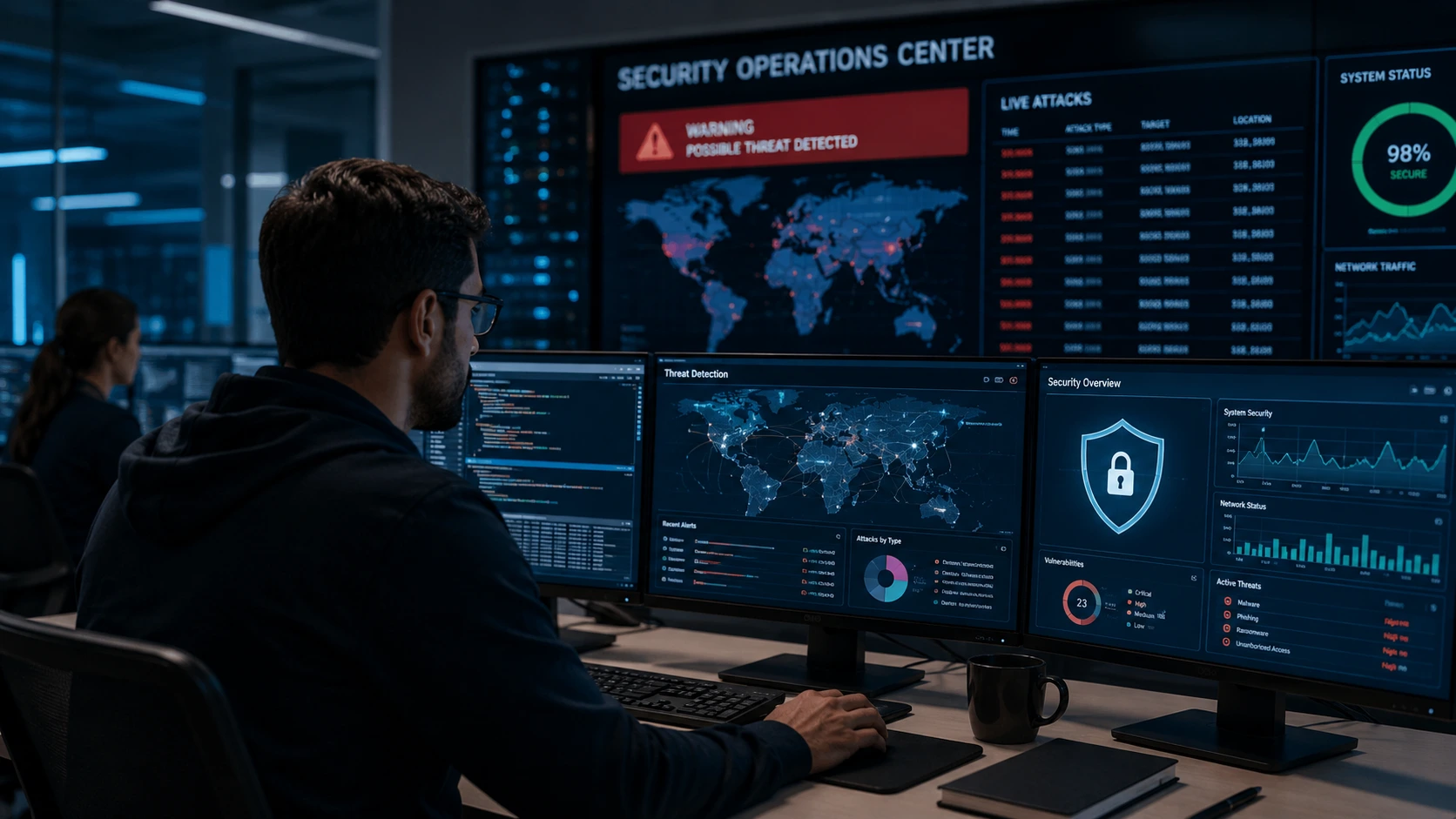
Every company uses technology. That means every company has some level of risk. Hackers try to steal data, break into systems, or trick employees through fake emails and other scams. Cybersecurity professionals help stop those attacks before they cause damage.
Employers want people who can do more than just talk about security. They want someone who understands the threats, knows how to respond, and can keep systems safe in real situations.
1. Understanding of security basics
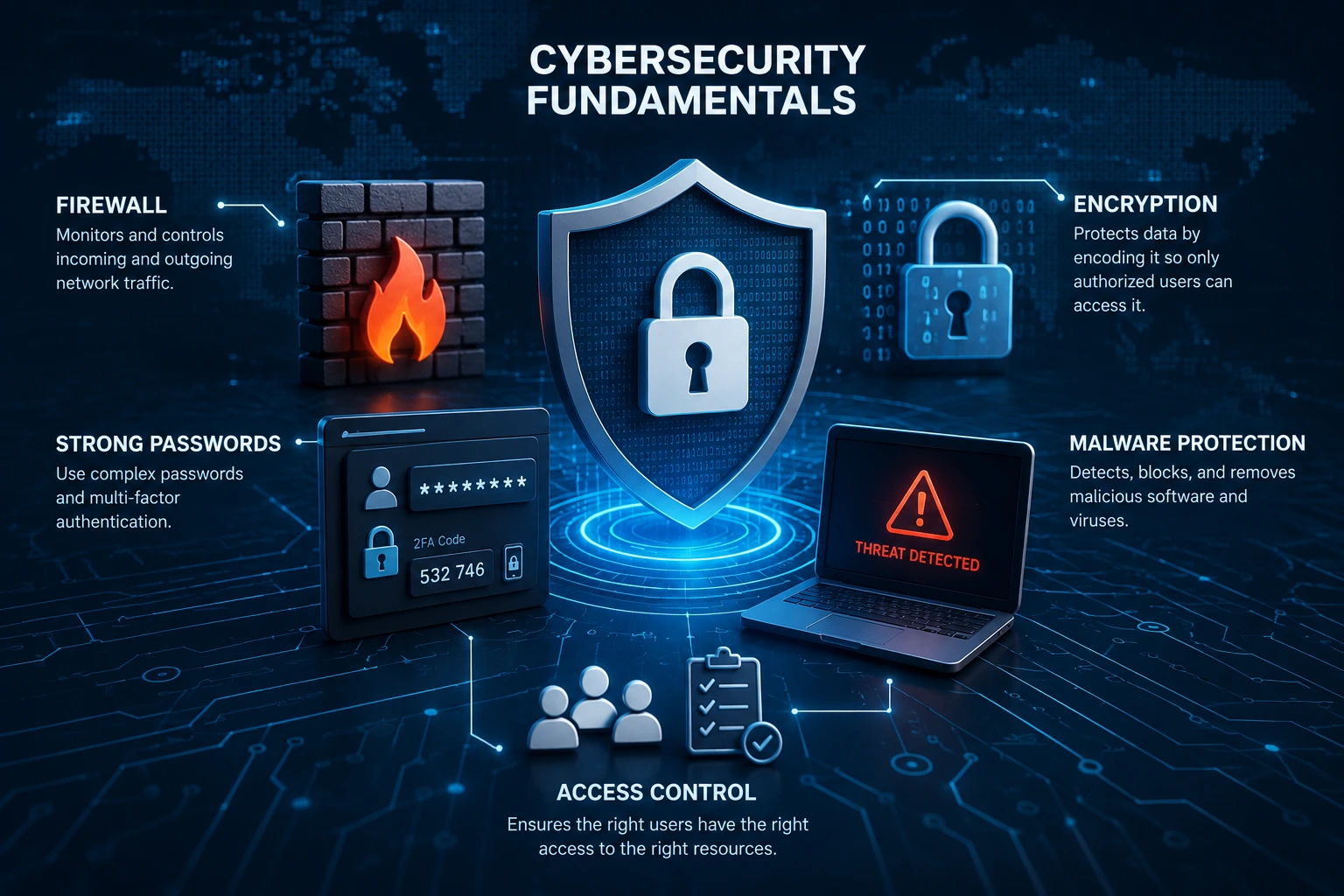
Before anything else, employers want you to understand the basics. This includes things like passwords, firewalls, malware, phishing, encryption, and access control. These are the building blocks of cybersecurity.
If you know how attacks happen and how to reduce risk, you already have a strong start. A good cybersecurity professional should be able to explain simple security ideas in plain language. That is useful in interviews and even more useful on the job.
2. Network knowledge
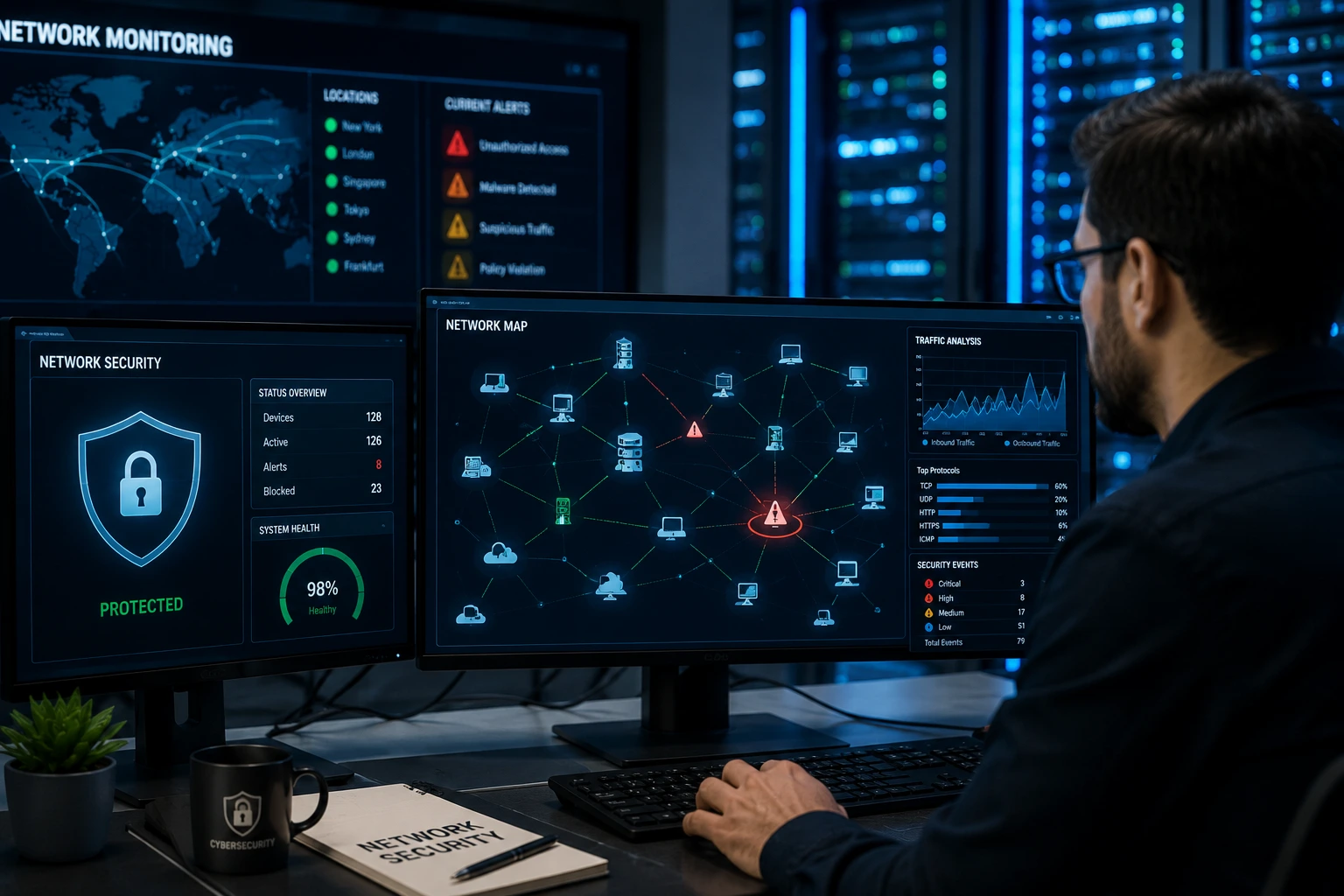
A lot of cybersecurity work involves networks. You need to understand how devices connect, how data moves, and where weak points may exist. This does not mean you need to be a network engineer, but you should know the basics of IP addresses, routers, ports, and network traffic.
Why does this matter? Because many attacks move through networks. If you understand how traffic should look, it becomes easier to spot unusual behaviour.
3. Risk awareness
Employers also look for people who can think ahead. Cybersecurity is not only about reacting to problems. It is also about spotting risks before they become bigger issues.
This means you should be able to ask questions like:
- What is the biggest threat here?
- Which system is most exposed?
- What could go wrong if this tool is misused?
That kind of thinking shows maturity. It tells employers that you are not just technical, but also careful and responsible.
4. Incident response skills
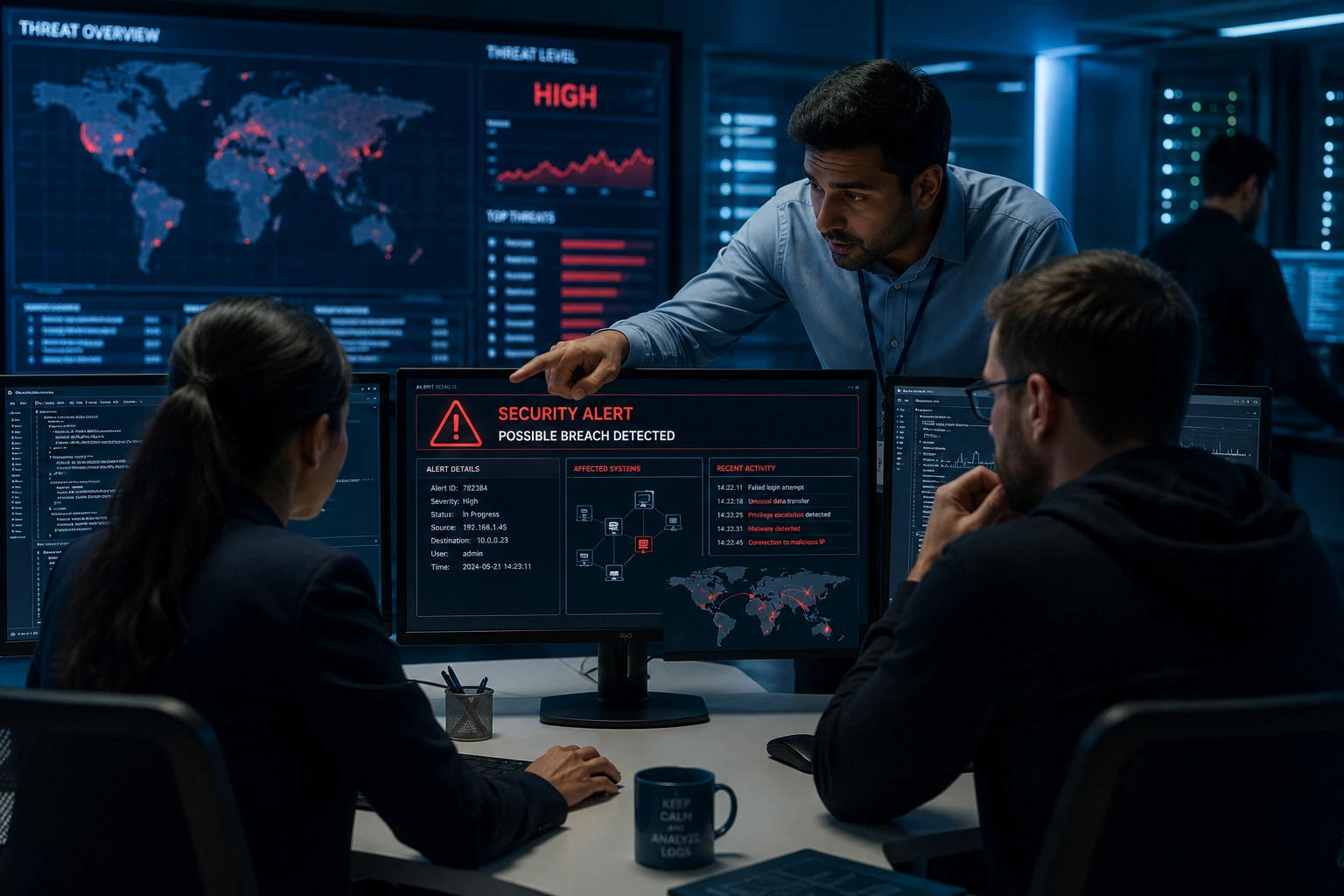
Things will go wrong at some point. A file may be compromised. A login may look suspicious. A system may be attacked. When that happens, employers want someone who can stay calm and follow a process.
Incident response means knowing how to identify a problem, contain it, investigate it, and help recover from it. You do not need to solve every problem alone. But you do need to know how to act quickly and not make the situation worse.
This skill is valuable because speed matters during a security incident.
5. Attention to detail
Cybersecurity is not a field where you can rush through things. Small mistakes can lead to big problems. That is why employers care a lot about attention to detail.
A missed setting, a weak password rule, or a small suspicious login can matter more than people think. Good cybersecurity professionals notice patterns, check logs carefully, and look closely at unusual activity.
If you are the kind of person who likes to double-check work, that trait can help you here.
6. Knowledge of security tools
Employers also want people who can work with common security tools. These may include antivirus software, firewalls, SIEM platforms, vulnerability scanners, endpoint protection tools, and monitoring systems.
You do not need to master every tool right away. Still, it helps to understand what these tools do and why companies use them. When you know the purpose behind the tool, learning the actual software becomes much easier.
7. Cloud security awareness

A lot of companies now store data and run systems in the cloud. Because of that, cloud security is a major skill. Employers want people who understand shared responsibility, access control, secure configurations, and data protection in cloud environments.
Even basic cloud security knowledge can help you stand out. Many security issues happen because of poor setup, not because of advanced attacks. So, knowing how to secure cloud systems is a real advantage.
8. Communication skills
This may surprise some people, but communication is one of the most important cybersecurity skills.
Why? Because security professionals do not work alone all the time. They need to explain risks to managers, support teams, and sometimes people with no technical background at all. If you cannot explain a problem clearly, it becomes harder to solve.
Employers like candidates who can speak simply, write clearly, and give useful updates without confusing everyone.
9. Problem-solving mindset
Cybersecurity is full of new problems. No two situations are exactly the same. That is why employers value people who can think through an issue and find practical solutions.
This does not mean guessing. It means looking at the evidence, narrowing down the cause, and choosing the best next step. Strong problem-solving helps in investigations, security planning, and everyday troubleshooting.
10. Willingness to keep learning
Cybersecurity changes fast. New threats appear. Tools evolve. Best practices shift. Because of that, employers want people who keep learning.
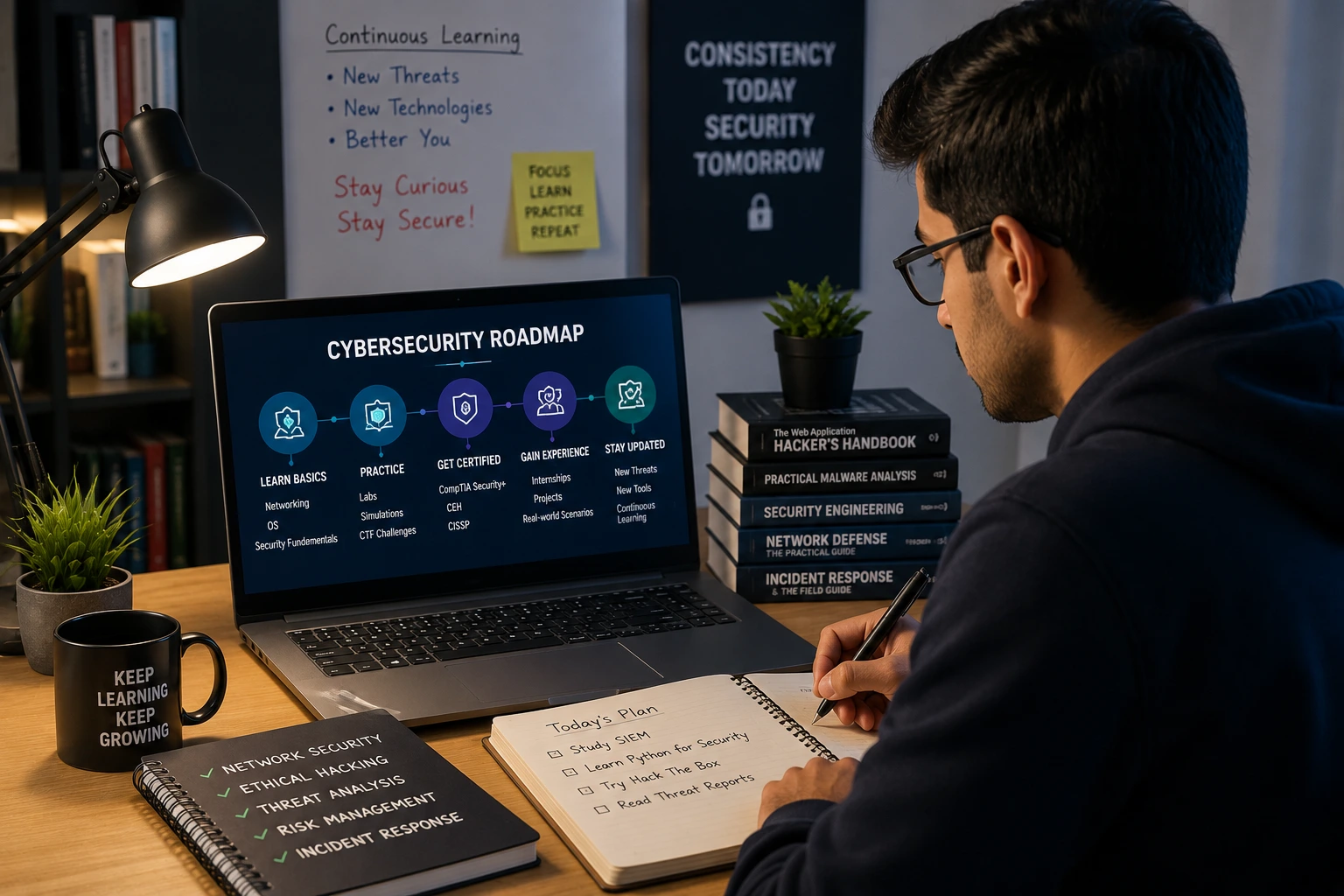
You do not need to know everything on day one. But you should be curious. Read about new threats. Practice in labs. Follow security news. Learn from mistakes. That mindset matters more than pretending you already know it all.
Final thoughts
If you are looking to build a career in cybersecurity, focus on the skills employers actually care about. Start with the basics. Learn how systems and networks work. Build your communication skills. Practice problem-solving. Then keep learning as the field grows.
Cybersecurity is not just about technical knowledge. It is about judgment, awareness, and the ability to protect people and systems in real situations. If you can show that, you will already be ahead of many beginners.